
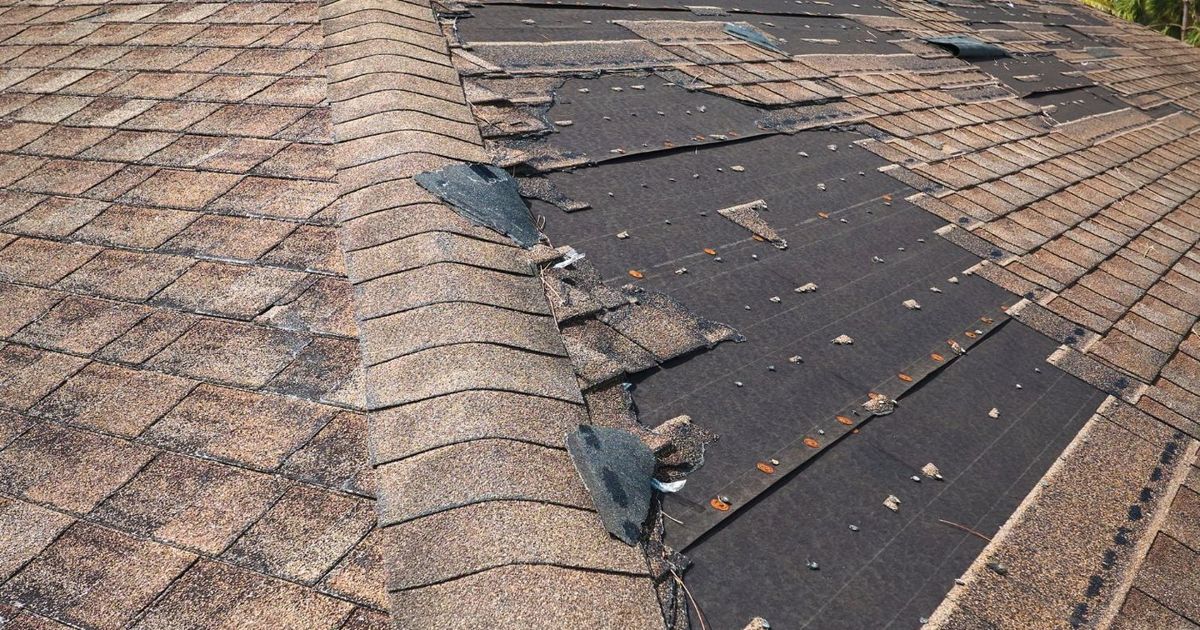
If you've ever had a hailstorm roll through your neighborhood, you already know what happens next. Within 24 hours, there's a swarm of roofing trucks going door to door, and every single one of them is telling you the same thing: sign today, and we'll take care of everything.
I learned this firsthand back in 2022 after a hailstorm tore through my area and did a number on my shingles. I want to walk you through exactly what happened, what I almost fell for, and the 5 things I now check every single time before I hire a contractor for anything on my property — not just roofing.
⚡ Quick Answer
After hail damage in 2022, storm chasers quoted me $17,500, threw in a free TV, and offered to eat my $1,000 deductible — and they could start the same day. I passed. I called a local, established roofer instead, waited three extra days for an estimate, and paid $17,100 for better work from a company that's actually still around if I ever need a warranty claim. The lesson: local reputation, verified insurance, and a written scope of work beat speed and freebies every time.
My Hail Damage Story — And Why I Almost Made a Bad Call
After the storm hit, it felt like every roofing company in America suddenly knew my address. Trucks were parked on my street, guys were knocking door to door, and by day one — literally the same day as the storm — I had contractors standing on my porch ready to write up an estimate on the spot.
One outfit offered me $17,500 for the full roof replacement. That price included a free TV, and here's the part that should've been the biggest red flag of all: they told me they'd pay my $1,000 insurance deductible for me. On top of that, they made it sound like getting my claim approved was basically a done deal — like they had some kind of pull with the insurance company that would guarantee it went through.
I'm not going to lie, it was tempting. A free TV, no deductible out of my pocket, and a crew that could start immediately. But something about the whole pitch smelled off. Nobody hands out TVs and eats a grand of your cost out of pure generosity. That money has to come from somewhere, and it usually comes from cutting corners on materials or labor — or from padding numbers somewhere else in the paperwork.
So instead of signing that day, I called a local roofing contractor I'd noticed doing work in my area for a while — I'd seen his company signs in driveways around the neighborhood and he had solid online reviews to back it up. The storm chaser company? I couldn't find a single review anywhere.
It took the local guy three days just to get out and give me an estimate, compared to the storm chasers who were ready to sign a contract the same afternoon the hail stopped falling. His quote came in at $17,100 — actually less than the storm chaser's price, TV and deductible games included.
Should You Hire a Storm Chaser Roofer?
Not every roofer who shows up after a storm is running a scam — but the pattern of behavior matters more than whether they seem friendly on your porch. In my case, several things added up that told me this wasn't a company I wanted responsible for my roof long-term.
The storm chasers I talked to could start work in about a week and offered exactly five shingle color options. The local company I hired had a much wider selection — basically any color I wanted — though a few of the less common ones took a little longer to source. That difference alone told me something about how each company operated: one was running a volume operation trying to move through as many roofs as possible before the next storm somewhere else, and the other was set up to actually match what a homeowner wanted for their specific house.
The bigger issue is what happens after the work is done. Storm chaser crews are, by design, mobile. They follow the weather. Once they finish your roof, they're often already lining up jobs in the next city or the next state over. If something goes wrong six months or two years down the road — a leak, a shingle that wasn't sealed right, a warranty issue — good luck getting that same crew back out to your house.
⚠ Common Mistake
The biggest mistake I see homeowners make after a storm is signing with whoever shows up first and offers the fastest timeline. Speed feels reassuring in the moment, especially if you're worried about more rain getting into your attic. But a rushed decision on a $17,000 investment is exactly how people end up with a roof — and a company — they can't get help from later.
The 5 Things I Check Before Hiring Any Roofer
Since that experience, this is the checklist I run through every time I'm hiring someone for major work on my house, roofing or otherwise.
1. Local, established reputation.
I look for a company that's actually rooted in my area — not just a phone number with an out-of-state area code that showed up after the storm. I'd physically seen this contractor's yard signs in other driveways around my neighborhood before I ever called him, which told me he'd been doing work locally for a while, not just chasing this one storm.
2. Verified insurance — straight from the agent.
Any roofer working on your property needs general liability insurance and workers' compensation coverage. Don't just take a printed certificate the roofer hands you at face value.
💡 Pro Tip: Ask the roofer to have his insurance agent email the certificate of insurance directly to you. A printed copy handed to you by the contractor himself is too easy to fake or let expire without you knowing.
3. Licensing, if your area requires it.
Not every city or county requires roofers to be licensed, but if yours does, ask for the license number and actually look it up with your local building department. It takes a few minutes and it's worth it.
4. Never pay a deposit before materials are on-site.
This one's non-negotiable for me now. If a roofer wants a big check before a single shingle has been delivered to your property, that's a risk you don't need to take. Wait until materials show up before any real money changes hands.
5. Get the full scope of work in writing.
A contract that just says "replace roof and accessories" with a dollar amount tells you nothing. I want to see the shingle brand and model, the underlayment, flashing details, and the payment schedule spelled out clearly before I sign anything.
How Do You Know If a Roofer Is Legit?
A legit roofer isn't afraid to slow down. The company I hired took three extra days just to get an estimate to me, and I never once felt pressured to make a decision on the spot. They had a real local address, reviews I could actually read online, and were upfront about their timeline and material options instead of trying to rush me into the fastest possible signature.
Compare that to a company offering same-day sign-up bonuses like a free TV or a promise to erase your deductible — those are sales tactics designed to short-circuit the normal decision-making process, not signs of a company that's confident in the quality of its work.
For more on general contractor vetting, resources like This Old House's guide to hiring contractors are also worth a look before you sign anything big.
What Questions Should You Ask a Roofer Before Hiring?
At minimum, ask for proof of insurance sent directly from the agent, ask how many years they've operated locally, ask for references you can actually call, and ask them to walk you through the full written scope of work before any money changes hands. If a roofer hesitates on any of these, that hesitation is your answer.
If you want to see how I compare tools and materials I actually use on projects around the property, check out my post on choosing the right materials for a DIY project for more on avoiding rushed decisions like this one.
Want more budget-focused DIY and home improvement guidance?
Check out my full tools and resources page for comparisons and gear I actually use, or subscribe to the HomePro Hero Insider newsletter for tips straight to your inbox.
Browse My Tools & Resources →
Subscribe to HomePro Hero Insider →
Frequently Asked Questions
Should I get 3 estimates before replacing my roof?
If you're paying out of pocket, yes, it's smart to compare a few. But if the job is part of an insurance claim with replacement cost coverage, your out-of-pocket cost is usually just your deductible regardless of which roofer you pick — so the estimate amount matters less than the roofer's reputation and reliability.
Is it illegal for a roofer to pay my insurance deductible?
In many states, yes — this is considered insurance fraud because it typically means the roofer is inflating the invoice sent to your insurance company to cover what they're "giving back" to you. It's a major red flag, even when it's framed as a friendly discount.
How do I know if my roofer is actually insured?
Ask the roofer for his insurance agent's contact information and have the agent send the certificate of insurance directly to you. Don't rely on a printed or emailed copy from the roofer himself.
What's the biggest red flag when hiring a roofer?
High-pressure tactics — same-day sign-up bonuses, promises to cover your deductible, or claims that they can guarantee your insurance claim gets approved. No roofer controls what your insurance company decides to pay.
Should I hire a local roofer instead of an out-of-state storm chaser?
In most cases, yes. Local companies have a reputation to protect in your community and are far more likely to be there for warranty work if something goes wrong down the road.
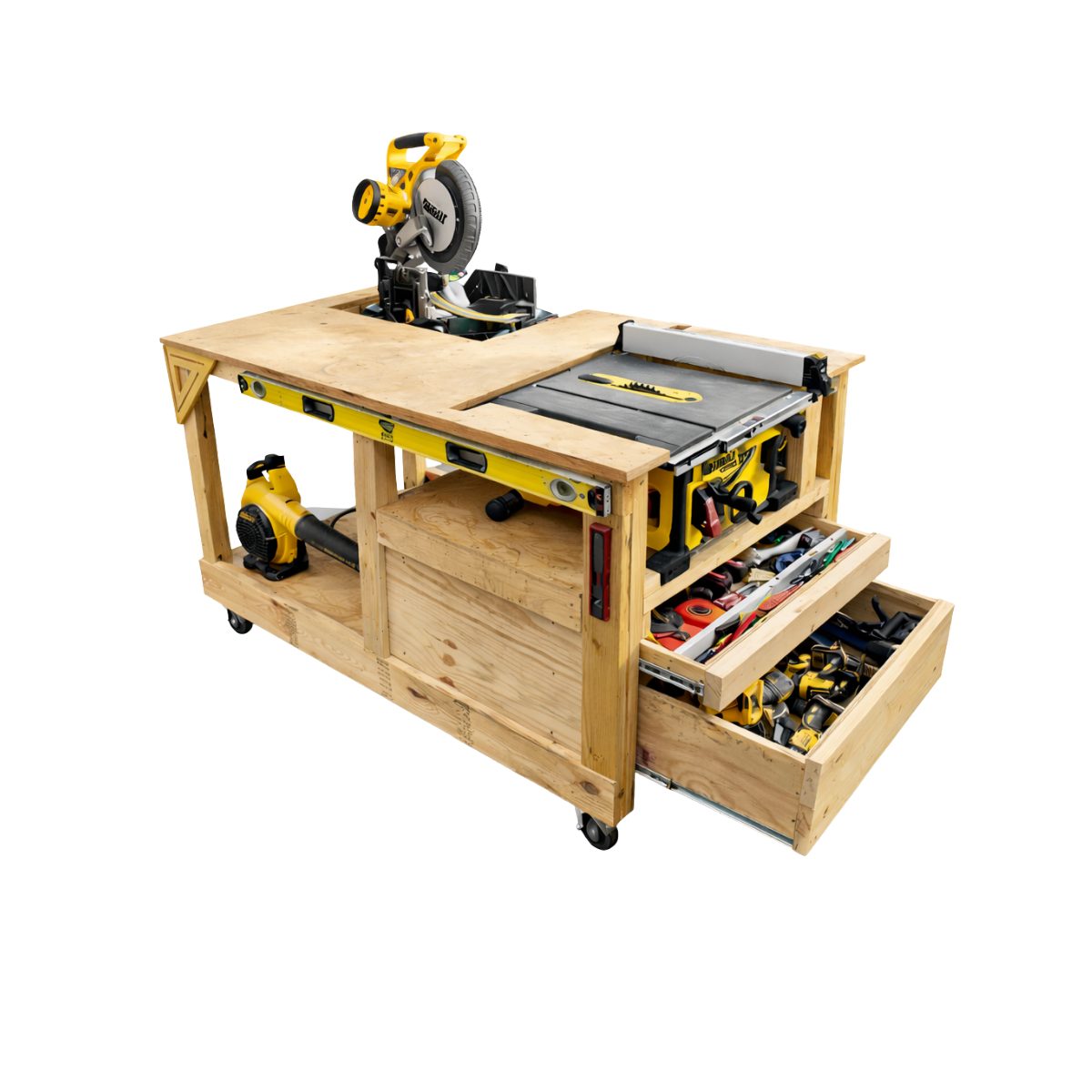
Ultimate Workshop Table Plans
The same mobile workbench from "Build This Workbench for UNDER $200," watched over a million times.